
The Pulse
Feb. 7, 2022
Here's what you need to know about Edmonton today.
Essentials
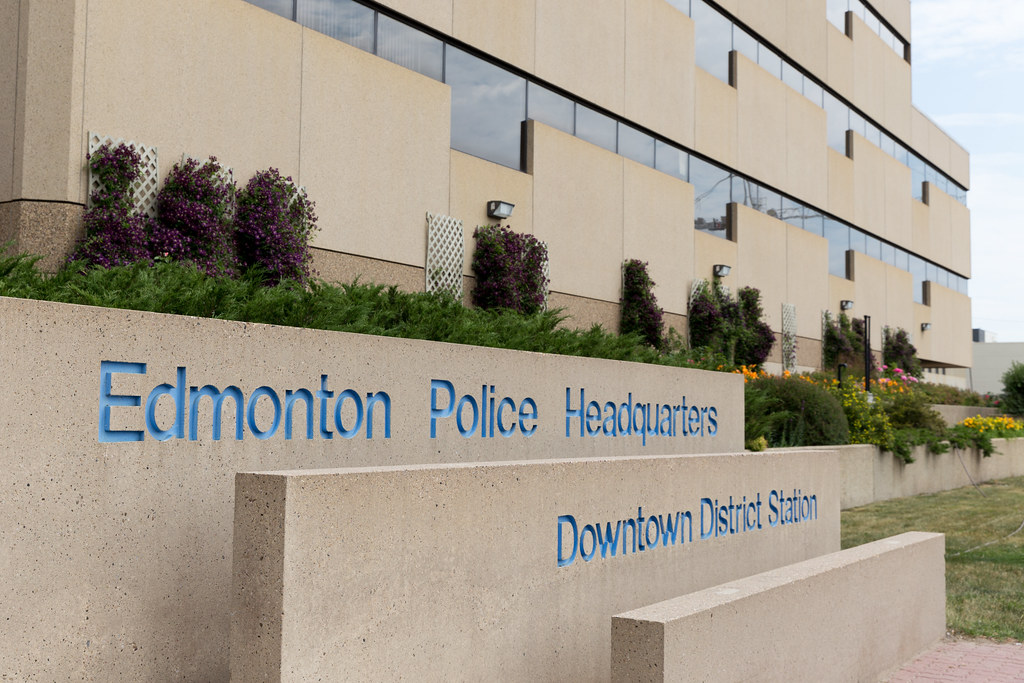
Questions raised about police use of facial recognition software
A year after privacy commissioners raised the alarm about police use of Clearview AI's facial recognition technology, the Edmonton Police Service announced plans to use a different company's software to identify suspects by comparing still images of their faces to mugshots found in police databases in Edmonton and Calgary.
The EPS said on Feb. 1 that it has procured NeoFace Reveal, which is facial recognition software produced by NEC Corporation of America. It has been used by the Calgary Police Service since 2014.
Episode 165 of Speaking Municipally, Taproot's civic affairs podcast, raised some questions about police use of the technology. Co-host Mack Male cited a 2021 report from the Public Good Initiative at the Munk School of Global Affairs and Public Policy for the Canadian Civil Liberties Association, noting the risk that such technologies could amplify inequities within the system:
"In comparison (to) ClearviewAI, the NeoFace Reveal system was used to compare images to a mugshot database rather than a database scraped from the internet," the report says. "While this addresses some privacy concerns as the systems are used on lawfully obtained photos, there remains concerns about the use of the facial recognition technology as grounds for arrest or harassment, and about the nature of mugshot databases, grounded in over-policing of racialized minorities."
The podcast also cited a 2018 report from Big Brother Watch, which found through more than 50 freedom-of-information requests in the U.K. regarding a related NEC product called NeoFace Watch that "the overwhelming majority of the police's 'matches' using automated facial recognition to date have been inaccurate. On average, a staggering 95% of 'matches' wrongly identified innocent people."
Headlines
- Martin Garber-Conrad will retire from his position as chief executive officer of the Edmonton Community Foundation, effective June 30. Garber-Conrad has held the position since 2005, stewarding the growth of the organization's assets to more than $700 million.
- The city received more than twice the number of complaints about snow on sidewalks last month compared to January 2021, up from 957 to 2,184. The number of tickets issued grew by 24% over the same time period.
- The city could expand or enhance up to 678 kilometres of multi-use trails over the next decade, according to an implementation guide for the Edmonton Bike Plan. Cost estimates range from $12.7 million to $19 million per year, CBC reports.
- The planned Metro Line LRT extension from Castle Downs to St. Albert has been de-prioritized in the city's new mass transit plan. Extending the Capital Line LRT further south past Ellerslie Road is now the first priority, though ultimately the decision will be up to city council.
- Hundreds of people converged on Edmonton for the second straight weekend, honking and clogging up roads as part of a truck convoy calling for an end to COVID-19 restrictions and vaccine mandates. "This convoy is not about truckers or about freedom," said Mayor Amarjeet Sohi. "I understand and share the worries and frustrations of Edmontonians. These protests are disrupting their daily lives, particularly of those living and doing business in the Downtown core and surrounding communities."
- Driver shortages due to COVID-19 are causing Edmonton schools to face bus delays. One service said that it has between 10% and 15% fewer drivers — some students are arriving up to one and a half hours late.
- Most of Edmonton's homeless shelters have been struggling against the fifth wave of COVID-19, and are working to ramp up vaccination efforts. In some cases, operators have had to choose between keeping people warm during cold snaps or keeping occupancy down to lower the risk of infection.
- Immunocompromised Albertans are expressing concern about the relaxation of public health restrictions. Health experts have also expressed concern that the province is planning to lift the restrictions exemption program too quickly.
- Critics are also concerned about Premier Jason Kenney's suggestion that the province could restrict municipal governments from enacting their own public health restrictions. "It's a remarkably heavy-handed manoeuvre from the province, one that has sometimes touted the benefits of a local governance," said Eric Adams, a law professor at the University of Alberta. Mayor Amarjeet Sohi said he expects the province will allow cities to enact their own rules. "I know that Premier Kenney appreciates each jurisdiction's autonomy and each order of governments' ability to make their own decisions," he said. "I believe that his government will not restrict our ability to take actions to keep our fellow Edmontonians safe."
- In-person learning will begin again at the University of Alberta as of Feb. 28. Pre-existing safety measures such as vaccine passport checking and enhanced ventilation systems will remain.
- A new Angus Reid poll suggests that 73% of Albertans are disillusioned with the federal government. Around 61% of Albertans surveyed said they disagree with the idea that the country's system of government works.
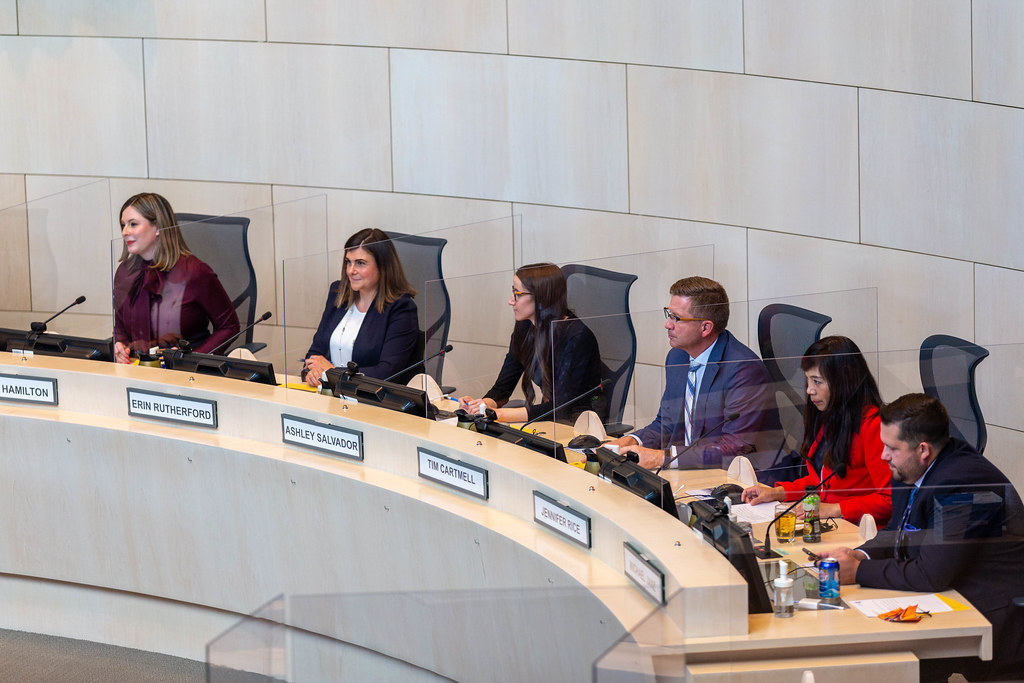
Coming up at council: Feb. 7-11, 2022
City council meets on Feb. 7, with a continuation on Feb. 9. Council services committee and city council public hearing are on Feb. 8. Here are some of the key items scheduled to be considered:
- The Office of the Integrity Commissioner will provide its annual report. From Sept. 3, 2020, to Dec. 31, 2021, the office received 38 complaints and investigated six.
- Two postponed motions will be presented at city council. The first is by councillors Andrew Knack and Jennifer Rice, who want to see "administration return to city council with options to reduce the expenditure budget by $10,000,000 with a focus on efficiencies in municipal service delivery." The second is by Knack and Coun. Sarah Hamilton, who want to see city administration resume preparing Direct Control (DC1) zoning for the Glenora Heritage Character Area. They say this is aligned with the City Plan goals of increasing density, and want this work to be funded by up to $100,000 from the 2021 council contingency budget.
- Items that were considered at committee last week will come before council. That includes a recommendation from community and public services committee to ask for more study of alcohol at picnic sites in light of a report on last summer's pilot project. It also includes the rapid housing initiative hotel conversion of the Coliseum Inn, and a history of the city's involvement in greenfield land development. The goods and services procurement policy report, which was postponed from the last council meeting, will also be presented.

Coming up this week: Feb. 7-11, 2022
This week, writers and artists talk about their work; virtual conventions explore solar energy and music in Alberta; a free workshop helps businesses improve their email marketing.
- Feb. 7, 11am: Readings and Discussion featuring UAlberta writer-in-residence Ifeoma Chinwuba and Edmonton poet laureate Titilope Sonuga
- Feb. 7, 7pm: Visually Speaking: In Conversation with Joi Arcand and Lana Whiskeyjack, an Edmonton Public Library event
- Feb. 7-11: The Solar Show, an online conference and trade show offering 12 sessions on all things solar
- Feb. 10, 11am: Level Up Series: Email Marketing, a Digital Economy Program workshop offered through Business Link
- Feb. 10-11: Music Cities Convention Alberta, streamed worldwide from Edmonton on Feb. 11, with a VIP reception available via the Silver Skate Festival
Photo: Passing through the gate to the Chinese garden at Louise McKinney Riverfront Park. (Vito Loconte/Instagram)